

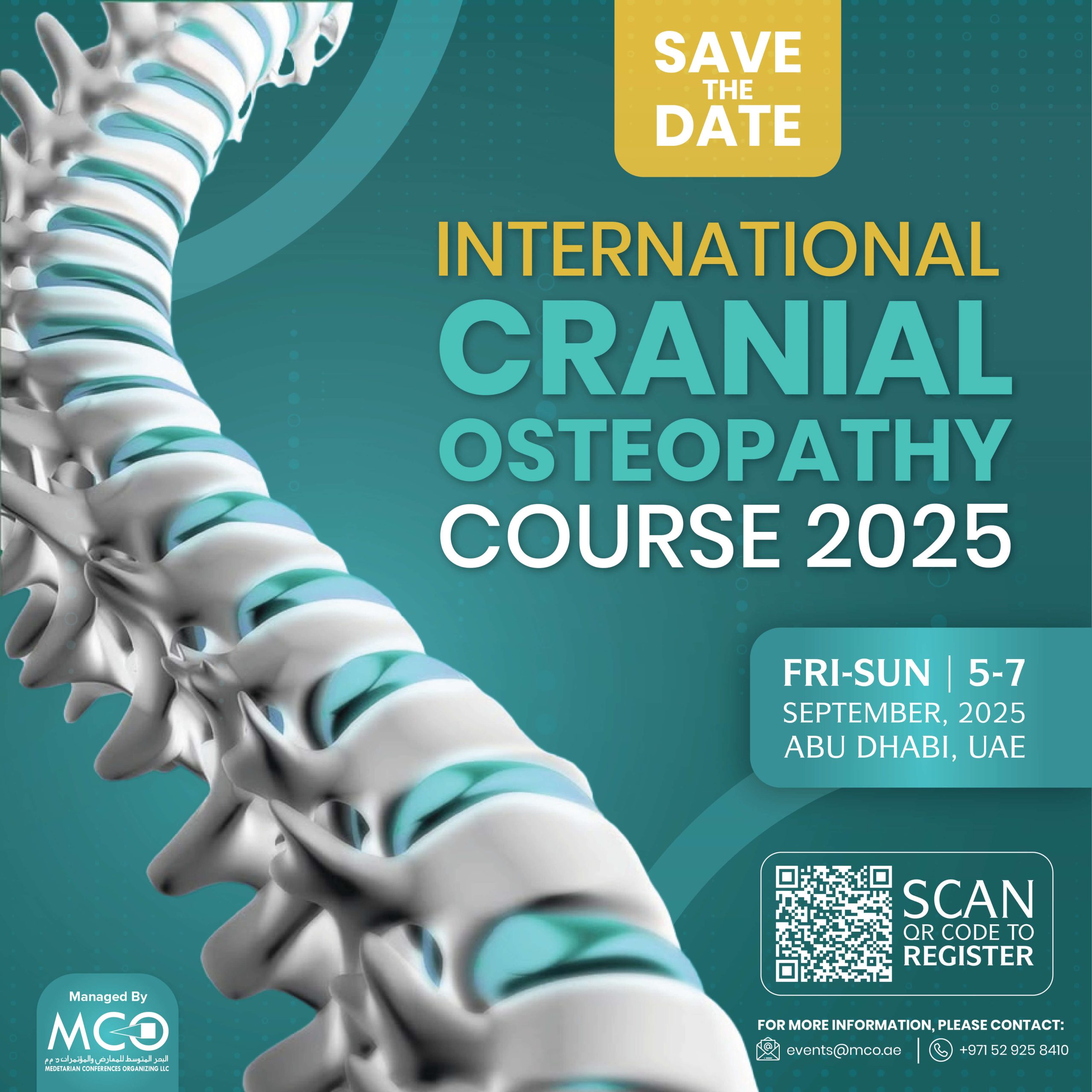
The International Cranial Osteopathy Course 2025 offered an intensive, hands-on program designed to deepen the clinical skills of practitioners in this specialized manual therapy. The course, following the established curriculum on the official website, was structured over three rigorous days to build a comprehensive understanding of cranial biomechanics, from foundational theory to advanced diagnosis and treatment techniques.
Day One laid the essential theoretical and palpatory groundwork. The morning commenced with a core lecture on the theory of Craniosacral motion and the Primary Respiratory Mechanism, the foundational concept upon which all cranial osteopathy is based. Participants immediately transitioned to a practical lab session for Palpation of the Cranial Rhythm, developing the sensitive touch required to assess subtle physiological motions. The day progressed with an exploration of Dural Tube Theory and the initial study of cranial vault structures, focusing on the Occipital and Frontal bones. The afternoon linked theory to practice, with dedicated lectures on diagnosing and addressing dysfunctions related to tension headaches, followed by practical labs for palpating, diagnosing, and treating the Frontal and Parietal bones.
Day Two expanded upon this foundation with a deeper focus on specific cranial structures and their associated pathologies. The morning began with further practical refinement in Parietal bone palpation and treatment. This was followed by in-depth lectures exploring the detailed structure of the Parietal bones and the wide range of symptomatology linked to their dysfunction. The afternoon sessions introduced more complex anatomy, beginning with a lecture on the central Sphenobasilar Synchrondrosis (SBS). The focus then shifted to the Temporal bones and Mandible, with a lecture connecting their dysfunction to clinical presentations such as TMJ disorders, vertigo, tinnitus, and seizure disorders. The day concluded with hands-on labs dedicated to the palpation, diagnosis, and treatment techniques for these critical components.
Day Three was dedicated to synthesis, advanced application, and mastery of the temporomandibular complex. The morning revisited the SBS, first exploring associated symptomatology and then advancing to its palpation, diagnosis, and treatment in a lab setting. The course then returned to the Temporal bones and Mandible for a final, comprehensive integration. Separate, focused lab sessions were devoted to the precise palpation and treatment of the temporal bones and then the mandible, ensuring practitioners could confidently address this intricate anatomical relationship. The course culminated in a final review session that consolidated all diagnostic and treatment techniques before adjournment.
By meticulously progressing from core biomechanical principles to the advanced, hands-on management of specific cranial lesions, the International Cranial Osteopathy Course 2025 provided an unparalleled opportunity for skill refinement. It empowered participating osteopaths and manual therapists to integrate a higher level of precision and clinical reasoning into their practice, enhancing their ability to address complex neuromusculoskeletal and functional disorders.